Portugal's Textile North: What Many Visitors Miss
Portugal is one of Europe's leading textile producers. Here's how to find pieces made close to Porto and what to look for when you buy.
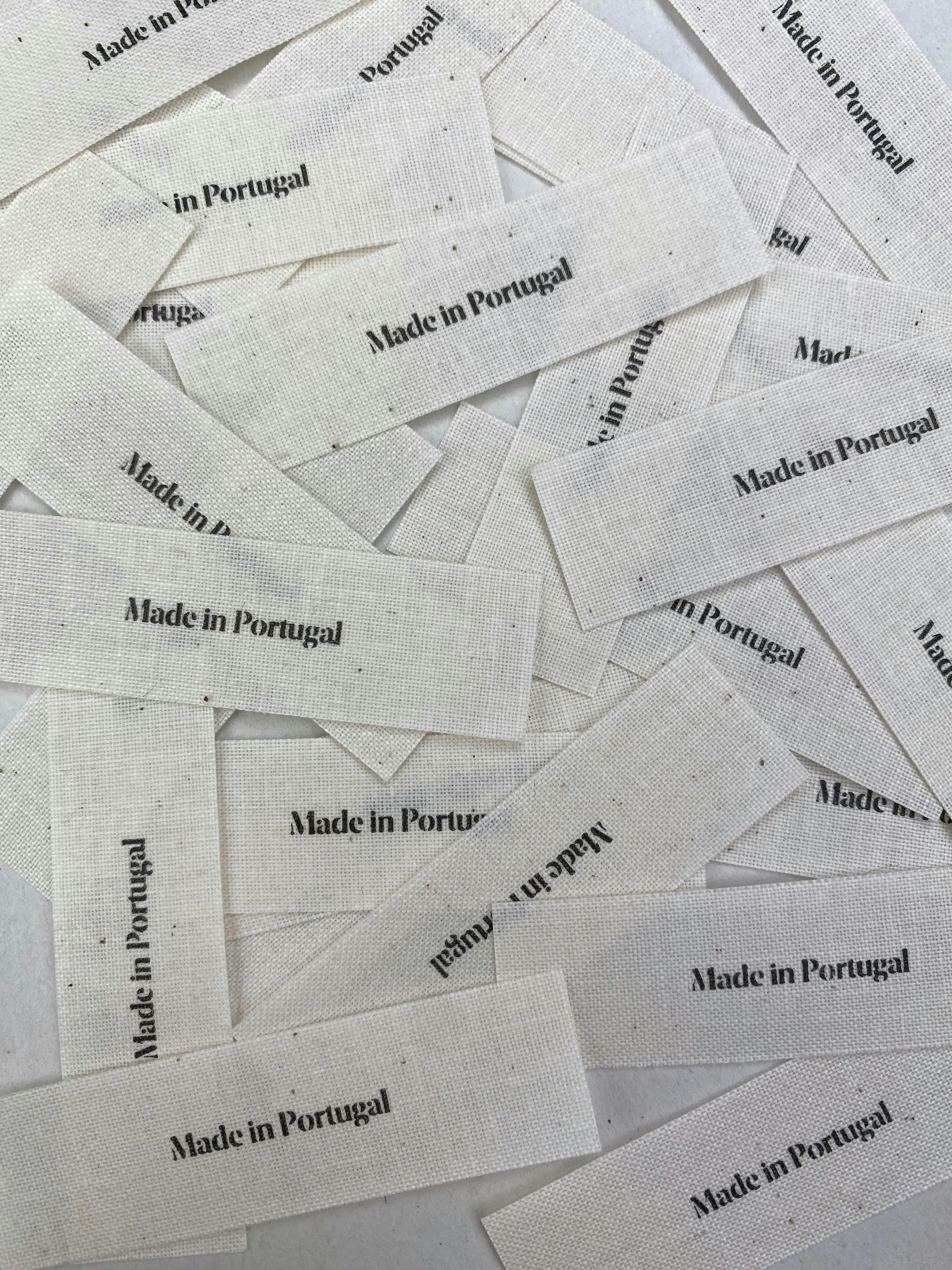
Portugal is one of Europe's leading textile producers, and much of that industry is concentrated within two hours of Porto. Yet the factories, workshops, and makers behind many Portuguese textiles rarely appear on tourist itineraries.
If you're looking for a scarf, beret, or other textile product to take home, knowing where and how it was made can help you choose something that reflects Portugal's textile heritage.
Where Portugal's Textile Tradition Lives
The regions between Porto, Braga, and Guimarães have been centres of textile production for centuries. Historically, local communities worked with wool from mountain sheep and linen made from flax grown along river valleys. Over time, these traditions evolved into a modern industry that now supplies fashion, home textiles, and technical fabrics across Europe.
Many of the scarves, berets, and woven accessories still produced in Northern Portugal draw on this long tradition while using contemporary manufacturing methods.
What Does Made in Portugal Mean?
Not every product sold by a Portuguese company is necessarily made in Portugal. Some items are designed locally but manufactured elsewhere, while others may be assembled in Portugal using imported materials.
If local production is important to you, it helps to ask a few simple questions: where was the fabric made, where was the product manufactured, and what materials were used. Shops that work closely with their suppliers can usually provide clear answers.
Berets, Scarves and Traditional Textiles
The beret remains part of everyday life in many areas of Northern Portugal and continues to be appreciated for its practicality and timeless style.
Scarves and neckwear produced in the region often reflect local textile traditions, with materials chosen to suit the climate of Northern Portugal.
At Ponto Cruz, we stock berets, caps, scarves, and neckwear produced in Northern Portugal by makers we know personally. Because we work directly with these suppliers, we can provide information about the materials, production process, and origin of each piece.
How Do You Buy Textiles in Porto?
Porto offers a wide variety of textile products, from locally produced items to internationally sourced collections. If you're interested in products made in Portugal, don't hesitate to ask about their origin and materials.
Most retailers are happy to explain where their products come from and how they are made. Those conversations often provide valuable insight into the craftsmanship behind what you're buying.
If you'd like to see our collection in person, our store is a short walk from Clérigos Tower and Livraria Lello.
For more ideas on locally made products worth bringing home, see our Porto buying guide. If you're interested in Portuguese ceramics, the guide to identifying Portuguese ceramics follows the same approach. We also stock products from Essências de Portugal, which creates soaps and personal care products using Portuguese botanical ingredients.
Find us
Open in Google Maps →