How to Spot a Tourist Trap Souvenir Shop in Porto
A few simple questions can help you understand what you're buying and whether it was made in Portugal.
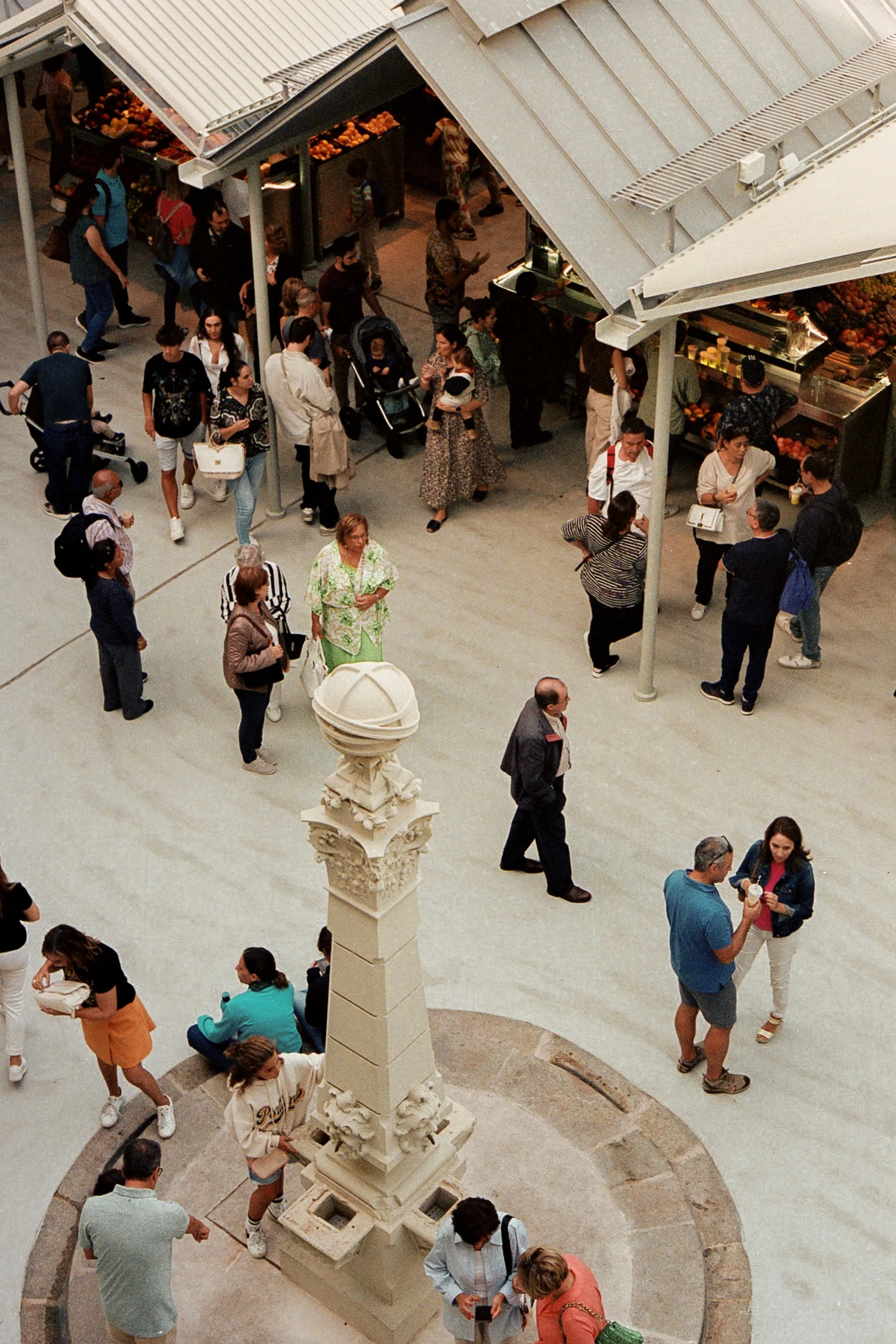
Porto's historic centre is full of souvenir shops, especially around Livraria Lello and Torre dos Clérigos. Many offer products inspired by Portuguese culture, from ceramics and textiles to cork goods and food products. If you're looking for something made in Portugal, a few simple questions can help you understand more about what you're buying.
Looking Beyond the Shopfront
The appearance of a shop does not necessarily tell you where its products come from. Traditional interiors, historic buildings, modern design, or handcrafted displays can all create a pleasant shopping experience, but they do not indicate whether a product was made locally.
Likewise, price alone is not a reliable indicator of quality or origin. Some locally made products are surprisingly affordable, while imported items can sometimes carry premium prices.
What Should You Look For?
One useful starting point is to ask about the origin of a product: where was it made, who produced it, which materials were used, and whether it is made in Portugal or imported. Retailers who work closely with local makers can usually provide detailed answers about the products they sell.
Another helpful clue is product variety. Many popular souvenir items are distributed to multiple shops throughout the city, while products made by smaller workshops or independent artisans are often available in fewer locations.
Questions Worth Asking
Different products require different questions. For ceramics, it is worth asking where the piece was produced, whether it is hand-painted or factory decorated, and whether you can see the back or underside. For textiles, ask where the fabric was made, where the item was produced, and what materials were used. For handmade products, ask which workshop or artisan made it and whether there is information available about the maker. The more specific the answer, the easier it becomes to understand the product's origin and production process.
What Does Made in Portugal Mean?
Products connected to Portugal can fall into several categories. Some are designed and manufactured locally. Others may be designed in Portugal but produced elsewhere. Some are assembled locally using imported materials. None of these are inherently better or worse, but they are different. If local production is important to you, asking about the supply chain can help you make an informed choice.
Our guide to identifying Portuguese ceramics explores this topic in more detail, including some of the features that can help distinguish different types of production.
Finding Locally Made Products
Shops that specialise in a smaller, carefully selected range often have more information about the origin of their products because they work directly with makers and suppliers.
At Ponto Cruz, located a short walk from Torre dos Clérigos and Livraria Lello, we focus on products that reflect Portuguese craftsmanship and tradition. We work directly with our suppliers and can explain where our products come from, how they are made, and the materials used in their production.
For a broader overview of locally made products worth discovering in Porto, see our Porto buying guide.
A Simple Rule
If you're interested in products made in Portugal, ask questions. Knowing where an item was made, who produced it, and what materials were used will usually tell you far more than the appearance of a shop or the design of its packaging.
Find us
Open in Google Maps →